Eid Milad un Nabi 2025: Holiday and Date Details
Eid Milad un Nabi 2026, also known as Id-e-Milad, Eid-e-Milad, Mawlid al-Nabi, or Barawafat, is observed on Tuesday, 25 August 2026, marking the birth anniversary of Prophet Muhammad (PBUH). It is a gazetted public and bank holiday in most Indian states. This is the most-searched question about this festival, and BankBazaar's FAQ answer ("gazetted holiday across India, except for certain states") creates confusion. Here is the clear answer: Eid Milad un Nabi is a gazetted holiday, not a national holiday. India has exactly three national holidays, Republic Day (26 January), Independence Day (15 August), and Gandhi Jayanti (2 October). These apply uniformly to every bank and institution in every state without exception. Eid Milad un Nabi is a gazetted public holiday, observed in most states as a bank holiday, but with some states not including it in their official list. The distinction matters because: National holidays → every bank in every state is closed, no exceptions Gazetted holidays → each state decides whether to observe them; banks in non-observing states remain open Source: RBI holiday matrix and state government notifications under the Negotiable Instruments Act, 1881. Verify with your specific bank branch, regional additions or omissions may apply. Eid Milad un Nabi falls in a moderately busy August holiday window. August 2026 has Independence Day falling on a Saturday (15 Aug), which overrides the 3rd Saturday working-day rule, banks are closed on that day as a national holiday regardless. Bank closed on 25 August? Your loan check isn't. CreditMitra's pre-approved personal loan comparison works 24/7, no branch visit, no holiday delays. Compare offers from 30+ banks and NBFCs in 2 minutes. Soft inquiry, zero CIBIL score impact. [Check My Pre-Approved Offer →] Eid Milad un Nabi, from the Arabic Milad (birth) and al-Nabi (the Prophet), commemorates the birth of Prophet Muhammad (PBUH), believed to have occurred on the 12th of Rabi' al-Awwal in the Islamic lunar calendar. The observance is one of the most widely celebrated events in the Islamic calendar worldwide, though the form and scale of celebration varies significantly between communities and scholarly traditions. In India, the festival is observed across Muslim communities of all denominations and is a gazetted public holiday under the Negotiable Instruments Act, 1881 in most states. Users searching this festival will encounter several names, all referring to the same observance: Id-e-Milad meaning: "Id" (also Eid) means festival or celebration in Arabic. "Milad" means birth. "Id-e-Milad" therefore means "the festival of the birth", specifically referring to the birth of Prophet Muhammad (PBUH). Eid Milad un Nabi always falls on the 12th of Rabi' al-Awwal, the third month of the Islamic lunar (Hijri) calendar. Because the Islamic lunar year is approximately 11 days shorter than the Gregorian solar year, the Gregorian calendar date shifts backward by roughly 10–11 days each year. 2026 date: 25 August 2026 (12 Rabi' al-Awwal, 1448 AH) The exact date each year is confirmed by moon sighting; in some communities and regions, the date may shift by one day depending on whether the new crescent moon was sighted the previous evening. The 12th of Rabi' al-Awwal is considered by most Sunni Muslims to be the birth date of Prophet Muhammad (PBUH), born in Mecca in approximately 570 CE. A significant number of Islamic scholars also note that this date corresponds to the day of the Prophet's passing in 632 CE, which is why some communities mark the occasion with both celebration and quiet reflection. The observance began as a regional tradition in the Islamic world and was formalised as a public celebration by the Fatimid Caliphate in the 10th century CE. Today it is observed across the globe, from formal state processions in Pakistan and Indonesia to community prayers, charitable activities, and devotional gatherings in India and across the diaspora. Processions (Jaloos): In cities with large Muslim populations, Hyderabad, Lucknow, Mumbai, Delhi, Kolkata, and others, large processions carry banners, recite naats (devotional poetry praising the Prophet), and march through major streets. Hyderabad's procession near Charminar is among the largest in South Asia. Mosque programs: Mosques hold all-night and morning gatherings for recitation of naats, dua (prayers), and lectures on the life and teachings of Prophet Muhammad (PBUH). These are open to all. Community meals and charity: Sharing food, especially dates, sweets like Sheer Kurma, and community meals, is central to the day. Many mosques and community organisations distribute food to the poor as an act of sadaqah (charity) in the Prophet's name. Decoration: Streets, mosques, and homes in Muslim-majority areas are decorated with green lights, green flags, and banners. Green is the colour most associated with Islam and with the Prophet. Sunni and Shia observance: Both communities participate, though with variations. Sunni observances tend toward processions, nasheed recitations, and community gatherings. Shia communities may combine celebratory and reflective elements, including candle processions and elegies. Both observe charitable giving and sharing of sweets as central practices. Hyderabad: The old city procession near Charminar and the Mecca Masjid area sees some of the largest gatherings in the country. Processions wind through Laad Bazaar and the surrounding historic quarters. Lucknow: Known for its Nawabi culture and its deep connection to Islamic scholarship, Lucknow observes the day with formal religious gatherings, naat competitions, and processions in the old city. Mumbai: Mohammed Ali Road, Minara Masjid, and Haj House are the centres of celebration. The area is decorated and draws large crowds for processions and community meals. Delhi: Jama Masjid and the surrounding old Delhi neighbourhood host major gatherings. The Dargah of Nizamuddin also sees significant activity. Kolkata: Nakhoda Masjid in Burrabazar is the principal gathering point, with processions through the surrounding streets. Dates shift approximately 10–11 days earlier each Gregorian year. Moon-sighting confirmation may shift the date by one day regionally.Eid Milad un Nabi 2026, At a Glance
Is Eid Milad un Nabi a National Holiday in India?
State-Wise Bank Holiday Status, 25 August 2026
August 2026 Bank Holiday Context
What Is Eid Milad un Nabi?
Understanding the Name Variants
The Islamic Calendar Date, Why Does It Shift Each Year?
Significance of the Day
How Eid Milad un Nabi Is Celebrated in India
Key Places to Experience Eid Milad un Nabi in India
Future Eid Milad un Nabi Dates: 2026–2031


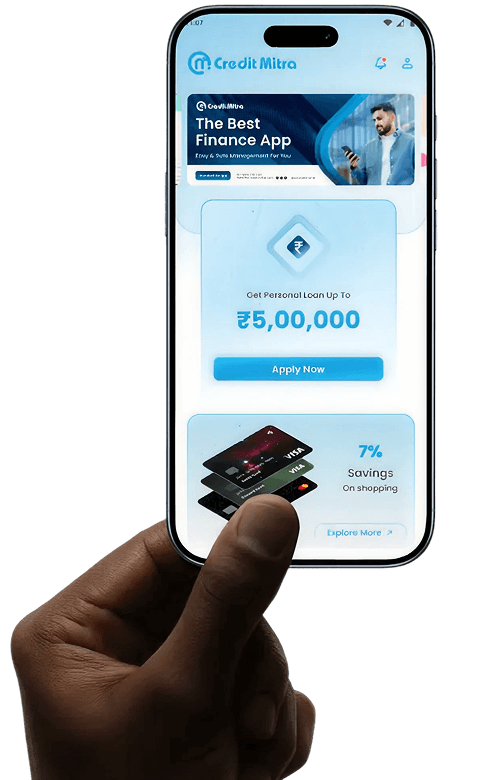
Borrow. Protect. Grow.
All in one app.
- Compare loan offers
- Buy insurance in minutes
- Invest in mutual funds
- Check credit score free
- Track all your applications


Explore More Holidays
Personal Loans, Insurance, Credit Cards & More
Explore financial products including personal loans, mutual funds, insurance plans, credit cards, and free credit score services.
Instant Personal Loan
Understand eid milad un nabi 2025: holiday and date details meaning in loans and health insurance with simple examples and repayment explanations.

Insurance
Explore insurance plans that help protect you and your family from unexpected financial risks.

Mutual Funds
Start investing in mutual funds to build long term wealth and work towards your financial goals.

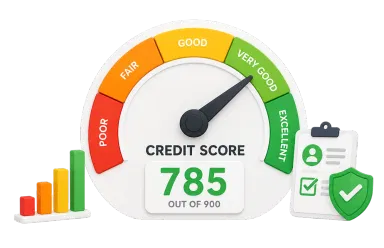
Credit Score
Check and monitor your credit score to improve loan eligibility and maintain healthy credit habits.
Credit Card
Understand eid milad un nabi 2025: holiday and date details meaning in credit cards and banking with simple examples and repayment explanations.
Latest Blogs
Best Travel Credit Cards No Fees in India 2026
The best travel credit cards help you save on flights, hotels, and travel expenses while earning reward points, complimentary lounge access, and exclusive travel benefits. This guide compares the best travel credit cards in India, including options with low or no annual fees, to help you choose the right card for your travel needs.
Personal Loan for Contract Employees: Complete Guide to Getting Approved (2026)
Contract employees can qualify for personal loans by meeting lender-specific eligibility criteria related to income, employment stability, and credit history. This guide explains how personal loans for contract employees work, required documents, approval tips, and loan options offered by leading banks and financial institutions in India.
Check CIBIL Score by PAN Card: Complete Step-by-Step Guide 2026
Your PAN card is one of the primary identifiers used to retrieve your credit history and CIBIL score. This guide explains how to check your CIBIL score by PAN card, available online methods, verification requirements, and tips to monitor your credit profile regularly for better loan eligibility.