Government Banks in India: Complete List of All 12 Banks
Looking for the latest list of government banks in India? This guide covers major PSU banks, top government banks, recent bank mergers, and the role of sarkari banks in India’s banking system.

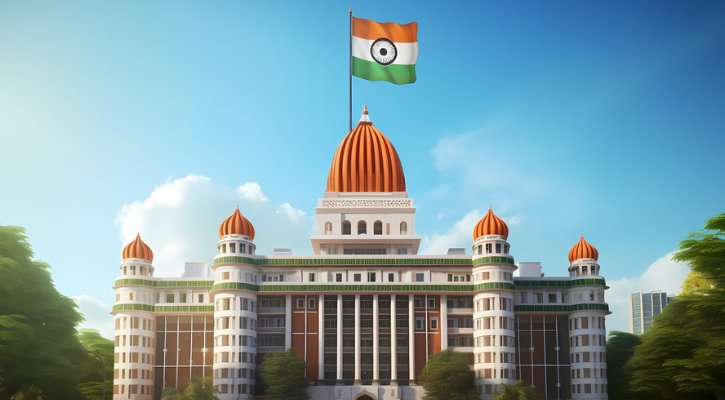
TL;DR: India will have 12 government banks (public sector banks) in 2026, down from 27 after recent mergers. Largest: SBI (₹9.49 lakh crore market cap). All regulated by RBI, majority owned by the government. Benefits: Lower interest rates, wider rural presence, government scheme access. Biggest: SBI, Bank of Baroda, PNB. Each has unique strengths. Choose based on your banking needs, or use CreditMitra to compare loan offers from all banks.
What Are Government Banks in India?
Government banks, also called public sector banks (PSBs) or nationalised banks, are banks where the Government of India owns at least 51% of the shares. They’re regulated by the Reserve Bank of India (RBI) and focus on social welfare and financial inclusion, not just profit.
Key characteristics:
- Government majority ownership (51%+)
- RBI regulation and oversight
- Lower interest rates than private banks
- Wider rural branch presence
- Government scheme implementation
As of 2026, there are 12 government banks operating in India, having consolidated from 27 through recent mergers (2019-2021).
Complete List: All 12 Government Banks in India (2026)
| # | Bank Name | Headquarters | Founded | Market Cap |
| 1 | State Bank of India (SBI) | Mumbai | 1955 | ₹9.49 lakh Cr |
| 2 | Bank of Baroda (BoB) | Vadodara | 1908 | ₹1.59 lakh Cr |
| 3 | Punjab National Bank (PNB) | New Delhi | 1895 | ₹1.48 lakh Cr |
| 4 | Bank of India | Mumbai | 1906 | ~₹85,000 Cr |
| 5 | Union Bank of India | Mumbai | 1919 | ~₹80,000 Cr |
| 6 | Indian Bank | Chennai | 1907 | ~₹70,000 Cr |
| 7 | Canara Bank | Bengaluru | 1906 | ~₹65,000 Cr |
| 8 | Central Bank of India | Mumbai | 1911 | ~₹60,000 Cr |
| 9 | Bank of Maharashtra | Pune | 1985 | ~₹45,000 Cr |
| 10 | Indian Overseas Bank (IOB) | Chennai | 1937 | ~₹40,000 Cr |
| 11 | Punjab and Sind Bank (PSB) | Delhi | 1908 | ~₹35,000 Cr |
| 12 | UCO Bank | Kolkata | 1963 | ~₹30,000 Cr |
Top 3 Government Banks by Market Capitalisation (2026)
1. State Bank of India (SBI) – ₹9.49 Lakh Crore
- Customers: 53+ crore (India’s largest customer base)
- Branches: 16,000+
- ATMs: 60,000+
- Strength: Largest network, digital innovation (YONO app), rural reach
- Best for: General banking, government schemes (Jan Dhan, MUDRA)
2. Bank of Baroda (BoB) – ₹1.59 Lakh Crore
- Established: 1908
- Strength: Modern digital banking, international presence
- Global presence: 32 countries
- Best for: Digital banking, international transactions
3. Punjab National Bank (PNB) – ₹1.48 Lakh Crore
- Established: 1895 (oldest among government banks)
- Strength: Agricultural lending, MSME loans
- Best for: Business owners, farmers, SMEs
Read More: Indian Bank Balance Check: Complete Guide to All Methods
Government Banks vs Private Banks: Key Differences
| Aspect | Government Banks | Private Banks |
| Ownership | 51%+ government-owned | Private shareholders |
| Primary Goal | Social welfare & inclusion | Profit maximization |
| Interest Rates | Lower (typically 8-12%) | Higher (typically 10-14%) |
| Service Charges | Lower | Higher |
| Rural Presence | Extensive | Limited |
| Government Schemes | Full access (Jan Dhan, MUDRA) | Limited |
| Approval Speed | Slower (7-15 days) | Faster (2-5 days) |
| Digital Banking | Improving (YONO, UPI) | Advanced |
| Safety | DICGC insures up to ₹10L | DICGC insures up to ₹5L |
Bottom line: Government banks prioritize accessibility and affordability. Private banks prioritize speed and service.
History: How India Got 12 Government Banks
1959: SBI Subsidiaries Nationalization
Seven subsidiaries of State Bank of India were nationalized, forming the foundation for future consolidation.
1969: The Big Nationalization
Prime Minister Indira Gandhi announced nationalization of 14 major private banks. This landmark policy transformed India’s banking landscape, bringing key financial institutions under government control.
1980: Second Wave
Six more private banks were nationalized, expanding public sector banking further.
2019-2021: Consolidation Era
The government consolidated 27 banks through mergers to create larger, stronger institutions. This reduced the count to today’s 12 banks, improving operational efficiency while maintaining financial inclusion focus.
Result: What started as private banking is now a robust public sector banking system serving 300+ crore customers.
Services Offered by Government Banks
Savings & Current Accounts
All 12 government banks offer:
- Zero-balance savings accounts (Jan Dhan Yojana)
- Salary accounts
- Regular savings accounts
- Current accounts (for businesses)
Loans
- Personal Loans: 8-12% interest (lower than private banks)
- Home Loans: For affordable housing
- Car Loans: Vehicle financing
- Business Loans: MUDRA schemes for startups
- Agricultural Loans: Crop loans, farm equipment
Deposits & Investments
- Fixed Deposits (FDs)
- Recurring Deposits
- Savings Accounts
- Investment services
Government Schemes
- Jan Dhan Yojana: Free basic accounts
- Pradhan Mantri MUDRA Yojana: Business loans up to ₹10 lakh
- PM-Kisan Scheme: Direct farmer payments
- Atal Pension Yojana: Retirement security
Digital Banking
- YONO (SBI’s super app): Full banking on mobile
- UPI: Instant money transfers
- Mobile banking: All banks offer
- Online bill payments
Which Government Bank is Right for You?
Choose SBI If:
- You want India’s largest network (70,000+ branches)
- You need government scheme access
- You want strongest digital platform (YONO)
- You want maximum customer support
and, Choose Bank of Baroda If:
- You prioritize digital banking
- You need international services
- You want modern, user-friendly app
Choose PNB If:
- You’re a farmer (strong agricultural lending)
- You’re a business owner (MSME loans)
- You want competitive rates
and, Choose Union Bank If:
- You focus on financial inclusion
- You want regional presence with national network
Choose Bank of Maharashtra If:
- You’re in Maharashtra region
- You want personalized regional service
Or Use CreditMitra
Compare loan offers from all government and private banks in one place. CreditMitra matches you with the best rates for your credit profile.
Read More: Bank Merger News 2026: Complete List
Advantages of Government Banks
Safety & Security
Government banks have government backing and are regulated by RBI. Deposits are insured by DICGC up to ₹10 lakhs, highest protection in India.
Lower Interest Rates
Interest rates on loans are typically 2-4% lower than private banks. On a ₹20 lakh personal loan, this saves you ₹40,000-₹80,000 over the tenure.
Lower Service Charges
Account maintenance charges and transaction fees are minimal compared to private banks.
Wide Rural Presence
70,000+ branches and ATMs serve rural India, unlike private banks concentrated in cities.
Government Scheme Access
Direct access to Jan Dhan, MUDRA, PM-Kisan, and other government schemes.
Financial Inclusion
Mission to provide banking to every Indian, ensuring no one is left behind.
Disadvantages of Government Banks
Slower Service
With 53+ crore customers, government banks can have longer queues and slower response times.
Complex Documentation
Loan approval requires extensive documentation and verification.
Slower Loan Approval
Personal loans take 7-15 days compared to 2-5 days at private banks.
Limited Digital Services
While improving, digital banking lags private banks (though YONO is changing this).
Busy Branches
Popular branches get crowded during peak hours.
Are Government Banks Safe in India?
Yes, absolutely. Here’s why:
- Government backing – Direct government support
- RBI regulation – Strict oversight and compliance
- DICGC insurance – Deposits protected up to ₹10 lakhs
- Systemic importance – Too-big-to-fail status
- Regular audits – RBI conducts frequent audits
- Financial stability – Centuries of trust
With 300+ crore customers and 70,000+ branches, government banks form India’s financial backbone.
Frequently Asked Questions
Q: How many government banks are there?
A: 12 government banks operate in India as of 2026, down from 27 after recent mergers.
Q: Which is the largest government bank?
A: State Bank of India (SBI) with ₹9.49 lakh crore market cap and 53+ crore customers.
Q: Are government banks safe?
A: Yes. They have government backing, RBI regulation, and DICGC insurance up to ₹10 lakhs.
Q: Why do government banks charge lower interest?
A: Their priority is social welfare and financial inclusion, not profit maximization.
Q: Can I open accounts in multiple government banks?
A: Yes, each account is separately insured up to ₹10 lakhs by DICGC.
Q: When were banks nationalized in India?
A: Nationalization happened in three phases: 1959 (7 SBI subsidiaries), 1969 (14 banks), 1980 (6 banks).
Conclusion: Choose Your Government Bank
Government banks remain the backbone of India’s financial system. Each of the 12 banks has unique strengths:
- SBI for largest network
- BoB for digital banking
- PNB for agricultural/business loans
- Others for regional presence and specialized services
The best government bank depends on your financial needs:
- Opening a savings account? Go with your nearest bank
- Looking for low-cost personal loan? Compare rates
- Starting a business? MUDRA loans through any bank
- Farming income? Agricultural loans through PNB/SBI
Not sure which bank offers the best loan rates for your needs? Use CreditMitra to compare personal loan offers from all government and private banks. Get matched with the lowest rates based on your credit profile in 2 minutes.
About the Author

Divya Kumari
SEO Strategist & Finance WriterDivya Kumari is an SEO & Content Strategist with experience in organic traffic growth, topical authority building, and content-led SEO strategies. She specializes in creating user-focused content for finance and SaaS websites, helping brands improve visibility through structured content planning, internal linking, and search optimization techniques.
Borrow. Protect. Grow.
All in one app.
- Compare loan offers
- Buy insurance in minutes
- Invest in mutual funds
- Check credit score free
- Track all your applications


Explore More Articles

What to Do When Your Travel Budget Falls Short

How to Finance Your Dream Vacation Responsibly
On this page
- What Are Government Banks in India?
- Complete List: All 12 Government Banks in India (2026)
- Top 3 Government Banks by Market Capitalisation (2026)
- Government Banks vs Private Banks: Key Differences
- History: How India Got 12 Government Banks
- Services Offered by Government Banks
- Which Government Bank is Right for You?
- Advantages of Government Banks
- Disadvantages of Government Banks
- Are Government Banks Safe in India?
- Frequently Asked Questions
- Conclusion: Choose Your Government Bank
About the Author
Divya Kumari
SEO Strategist & Finance WriterDivya Kumari is an SEO & Content Strategist with experience in organic traffic growth, topical authority building, and content-led SEO strategies. She specializes in creating user-focused content for finance and SaaS websites, helping brands improve visibility through structured content planning, internal linking, and search optimization techniques.
Borrow. Protect. Grow.
All in one app.
- Compare loan offers
- Buy insurance in minutes
- Invest in mutual funds
- Check credit score free
- Track all your applications