Financial Discipline: Meaning, Importance & Money Management Tips
Managing money properly is an important part of financial stability.
Many financial problems happen because of:
- Uncontrolled spending
- Poor savings habits
- Excessive borrowing
- Lack of budgeting
This is where financial discipline becomes important.
Financial discipline helps individuals:
- Control expenses
- Save regularly
- Avoid unnecessary debt
- Build long-term financial security
Understanding financial discipline can improve overall money management and reduce financial stress.
What Is Financial Discipline?
Financial discipline means managing money responsibly through controlled spending, regular savings, budgeting, and proper financial planning.
In simple words:
- It means using money carefully and avoiding unnecessary expenses.
Financial discipline includes:
- Spending within income
- Paying bills on time
- Saving regularly
- Avoiding excessive debt
Financial Discipline Meaning in Simple Words
Financial discipline means maintaining healthy money habits consistently.
It is about:
- Making smart financial decisions
- Managing spending properly
- Planning future expenses
Simple Example
Suppose a person:
- Receives monthly salary
- Pays EMIs on time
- Saves a fixed amount
- Avoids unnecessary shopping
These habits show financial discipline.
Why Financial Discipline Is Important
Financial discipline helps people maintain better financial control.
Major Benefits
| Benefit | Impact |
|---|---|
| Better savings | Improved financial security |
| Controlled spending | Reduced money stress |
| Timely EMI payments | Better credit health |
| Lower debt burden | Stable finances |
| Emergency preparedness | Better financial safety |
Important Point
People with financial discipline often find it easier to:
- Manage emergencies
- Achieve savings goals
- Avoid debt traps
- Build long-term wealth
Management of Spending and Financial Discipline
Managing spending is one of the most important parts of financial discipline.
What Spending Management Means
It means:
- Tracking expenses
- Avoiding impulsive purchases
- Prioritizing essential expenses
- Maintaining spending limits
Example of Spending Management
| Income & Expense | Amount |
|---|---|
| Monthly salary | ₹50,000 |
| Essential expenses | ₹30,000 |
| Savings | ₹10,000 |
| Lifestyle spending | ₹10,000 |
In this example:
- Spending remains controlled within income.
Poor Spending Habits
Lack of financial discipline may include:
- Excessive online shopping
- Frequent loan usage
- Credit card overspending
- Ignoring savings
Over time:
- These habits can increase financial stress.
Habits That Improve Financial Discipline
Good financial habits help maintain long-term stability.
Useful Financial Habits
1. Monthly Budgeting
Preparing a monthly budget improves spending control.
2. Emergency Savings
Emergency funds reduce dependence on loans during crises.
3. Timely Bill Payments
Paying EMIs and bills on time helps avoid penalties.
4. Controlled Credit Card Usage
Using credit cards responsibly reduces debt risk.
5. Expense Tracking
Monitoring daily expenses helps identify unnecessary spending.
Common Signs of Poor Financial Discipline
Certain habits may indicate poor financial management.
Warning Signs
| Sign | Meaning |
|---|---|
| Frequent borrowing | Income may be insufficient |
| Missed EMI payments | Repayment stress |
| No savings | Poor financial planning |
| High credit card dues | Overspending |
| Impulsive purchases | Weak spending control |
Important Reminder
Poor financial discipline can eventually affect:
- Savings
- Credit score
- Loan eligibility
- Financial stability
Financial Discipline vs Overspending
| Feature | Financial Discipline | Overspending |
|---|---|---|
| Spending habits | Controlled | Excessive |
| Savings | Regular | Limited |
| Debt level | Managed | Increasing |
| Budgeting | Planned | Ignored |
| Financial stress | Lower | Higher |
Simple Understanding
Financial discipline supports financial stability, while overspending may create repayment and savings problems.
Tips to Build Financial Discipline
Practical Ways to Improve Money Management
| Tip | Benefit |
|---|---|
| Set monthly budgets | Better expense control |
| Save before spending | Improved savings habit |
| Reduce unnecessary EMIs | Lower debt burden |
| Avoid impulse buying | Better financial control |
| Review expenses regularly | Improved budgeting |
Important Financial Habit
Many financially disciplined individuals follow:
- “Needs before wants”
This helps improve long-term financial stability.
# Final Thoughts
Financial discipline is one of the most important foundations of healthy money management.
It helps individuals:
- Control spending
- Build savings
- Avoid unnecessary debt
- Improve financial stability
Small financial habits practiced consistently can create long-term financial security.
Before making major financial decisions, individuals should evaluate:
- Income
- Existing expenses
- Savings goals
- Repayment obligations
to maintain responsible financial habits and better financial control.



Looking for a Personal Loan? Compare, Apply & Track in One App
Download AppExplore Other Financial Terms
Credit Card Statement
A monthly summary of all transactions, payments, charges, and outstanding dues on a credit card. It helps cardholders track spending and repayments.
IMPS
Immediate Payment Service enables instant fund transfers between bank accounts 24x7. Transactions are processed in real time, including holidays.
UPI Lite
A feature that enables small-value UPI transactions without entering a PIN every time. It is designed for faster and seamless payments.
Personal Loans, Insurance, Credit Cards & More
Explore financial products including personal loans, mutual funds, insurance plans, credit cards, and free credit score services.
Instant Personal Loan
Understand financial discipline meaning in loans and health insurance with simple examples and repayment explanations.

Insurance
Explore insurance plans that help protect you and your family from unexpected financial risks.

Mutual Funds
Start investing in mutual funds to build long term wealth and work towards your financial goals.

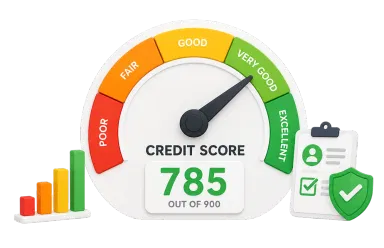
Credit Score
Check and monitor your credit score to improve loan eligibility and maintain healthy credit habits.
Credit Card
Understand financial discipline meaning in credit cards and banking with simple examples and repayment explanations.
Personal Loan EMI Calculator
Plan your repayments and calculate your equated monthly installments quickly using our interactive calculator.
Personal Loan EMI Calculator
EMI Breakdown
Frequently Asked Questions
Common queries and answers related to Financial Discipline