Digital Banking: Meaning, Services, Benefits & Examples
Digital Banking: Meaning, Services, Benefits & Examples
Banking has evolved significantly over the past decade. Today, customers can transfer money, pay bills, open accounts, apply for loans, and manage investments without visiting a bank branch. This shift has been made possible through Digital Banking.
From mobile banking apps and internet banking portals to UPI payments and digital account opening, digital banking has transformed the way people interact with financial institutions.
In this guide, you'll learn what digital banking is, how it works, its benefits, types of services, and why it has become an essential part of modern banking.
What Is Digital Banking?
Digital Banking is the delivery of banking services through digital platforms such as mobile apps, websites, internet banking portals, ATMs, and online payment systems.
It enables customers to access banking services anytime and from almost anywhere using digital devices.
Digital Banking in Simple Words
Digital banking means managing your bank account and performing financial transactions using a smartphone, tablet, laptop, or computer instead of visiting a bank branch.
Example
A customer checking account balance through a mobile banking app or transferring money through UPI is using digital banking.
How Does Digital Banking Work?
Digital banking connects customers with banking services through secure digital channels.
Basic Process
1. Customer logs into a banking platform.
2. Identity is verified through passwords, OTPs, or biometric authentication.
3. The requested transaction is processed securely.
4. Transaction records are updated instantly or within the applicable settlement time.
Common Technologies Used
- Mobile banking apps
- Internet banking
- UPI platforms
- Debit and credit card networks
- Digital KYC systems
What Is a Digital Banking Transaction (TXN)?
A Digital Banking TXN refers to any banking transaction completed electronically through a digital channel.
Examples of Digital Banking Transactions
- UPI transfers
- Online fund transfers
- Utility bill payments
- Mobile recharges
- Credit card bill payments
- Online shopping payments
- Account-to-account transfers
Whenever you see "Digital Banking TXN" in a statement or transaction history, it generally indicates a transaction performed through a digital banking platform.
Types of Digital Banking Services
Digital banking covers a wide range of services.
| Service | Purpose |
|---|---|
| Balance Enquiry | Check account balance |
| Fund Transfer | Send money online |
| Bill Payments | Pay utility bills |
| Account Statements | Download statements |
| Loan Services | Apply for loans |
| Credit Card Management | View and pay card bills |
| Investments | Manage financial products |
| UPI Payments | Instant payments |
These services are available through various digital channels.
What Is Digital KYC in Banking?
Digital KYC (Know Your Customer) is an electronic process used by banks and financial institutions to verify customer identity remotely.
Instead of visiting a branch with physical documents, customers can complete verification online.
Benefits of Digital KYC
- Faster onboarding
- Reduced paperwork
- Convenient account opening
- Improved customer experience
Digital KYC is widely used for opening bank accounts, investment accounts, and digital wallets.
What Is a Digital Channel in Banking?
A digital channel is any electronic platform through which banking services are delivered.
Examples
- Mobile banking apps
- Internet banking portals
- ATMs
- UPI applications
- Chat banking
- Self-service kiosks
These channels allow customers to access banking services without direct branch interaction.
Digital Banking vs Traditional Banking
| Feature | Digital Banking | Traditional Banking |
|---|---|---|
| Accessibility | 24/7 access | Branch timings |
| Convenience | High | Moderate |
| Paperwork | Minimal | More paperwork |
| Transactions | Online | Branch-based |
| Speed | Faster | Slower |
| Physical Visit | Usually not required | Often required |
Key Difference
Digital banking focuses on remote access and convenience, while traditional banking relies heavily on physical branch interactions.
Benefits of Digital Banking
Convenience
Customers can access services anytime without visiting a branch.
Faster Transactions
Most transactions can be completed within minutes.
Better Account Control
Users can monitor balances and transactions in real time.
Easy Payments
Digital banking supports instant fund transfers and bill payments.
Reduced Paperwork
Many services can be completed digitally.
Enhanced Accessibility
Banking services can be accessed from almost anywhere with internet connectivity.
Risks of Digital Banking
Despite its benefits, digital banking also comes with certain risks.
Cyber Fraud
Fraudsters may attempt phishing or scam attacks.
Data Security Risks
Sharing credentials can expose sensitive information.
Device Vulnerabilities
Unsecured devices may increase security risks.
Internet Dependency
Most digital services require internet access.
Safety Tips for Digital Banking
Use Strong Passwords
Avoid predictable passwords and update them regularly.
Never Share OTPs
Banks do not ask customers to share OTPs.
Enable Transaction Alerts
Notifications help identify suspicious activity quickly.
Use Official Banking Apps
Download apps only from trusted sources.
Keep Devices Updated
Software updates help strengthen security.
Who Can Use Business Digital Banking?
Business digital banking can be used by:
- Business owners
- Authorized employees
- Finance teams
- Account managers
- Corporate administrators
Access rights are usually controlled by the business and the bank.
Conclusion
Digital Banking has transformed the way individuals and businesses manage their finances. By providing convenient access to banking services through mobile apps, internet banking, and digital payment platforms, it reduces dependency on physical branches while improving speed and accessibility.
Whether you're transferring money, paying bills, completing digital KYC, or managing accounts online, digital banking has become a key part of modern financial life and continues to shape the future of banking in India.


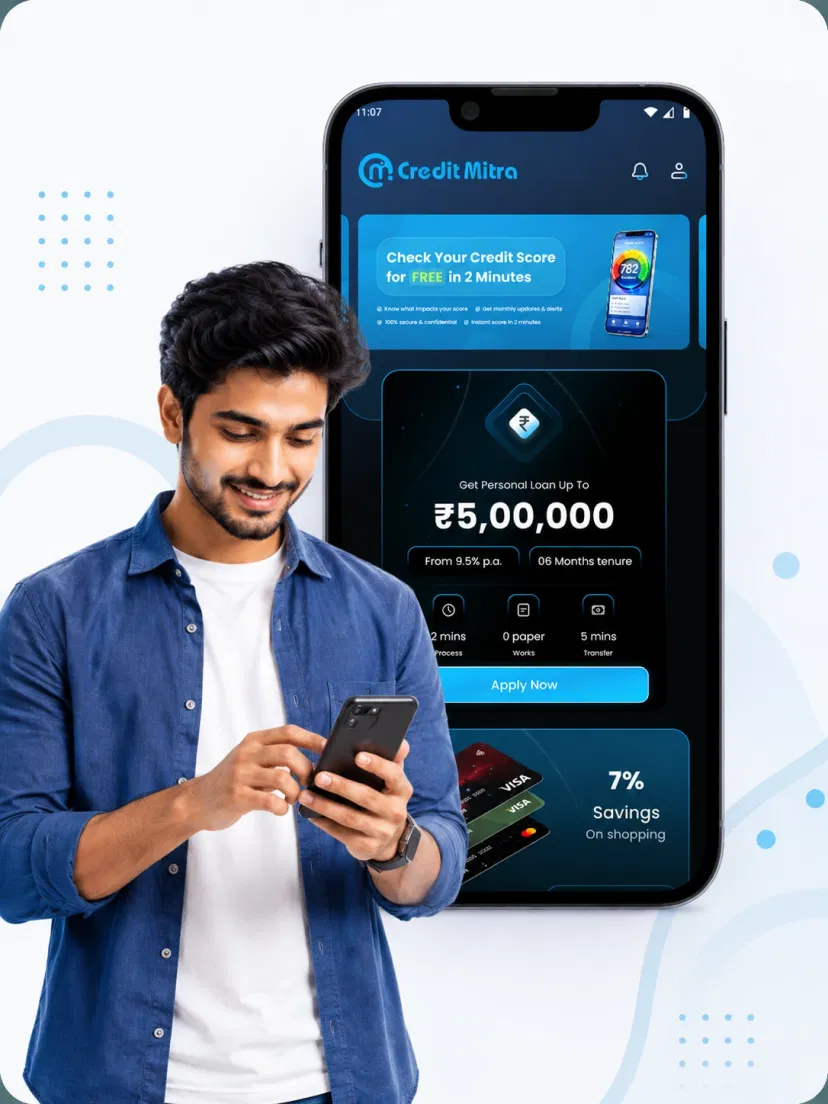
Looking for a Personal Loan? Compare, Apply & Track in One App
Download AppExplore Other Financial Terms
Sanction Letter
Learn about Sanction Letter meaning, definition, formula, benefits, and how it works.
Lounge Access
Learn about Lounge Access meaning, definition, formula, benefits, and how it works.
Passbook
Understand what a passbook is, its purpose, how it records transactions, and how to access EPF, PF, UAN, and member passbooks online.
Personal Loans, Insurance, Credit Cards & More
Explore financial products including personal loans, mutual funds, insurance plans, credit cards, and free credit score services.
Instant Personal Loan
Understand digital banking meaning in loans and health insurance with simple examples and repayment explanations.

Insurance
Explore insurance plans that help protect you and your family from unexpected financial risks.

Mutual Funds
Start investing in mutual funds to build long term wealth and work towards your financial goals.

Credit Score
Check and monitor your credit score to improve loan eligibility and maintain healthy credit habits.
Credit Card
Understand digital banking meaning in credit cards and banking with simple examples and repayment explanations.
Personal Loan EMI Calculator
Plan your repayments and calculate your equated monthly installments quickly using our interactive calculator.
Personal Loan EMI Calculator
EMI Breakdown
Frequently Asked Questions
Common queries and answers related to Digital Banking