Fintech Lending: How It Works & Why It's Disrupting Banking
Fintech lending platforms are transforming how loans are approved and disbursed in India. This guide explains fintech lending, how digital lenders work, eligibility checks, benefits, and the growing role of fintech companies in personal lending.

You need ₹50,000 urgently. You have two options:
Option 1 (Traditional Bank): Visit branch, fill 10-page application, submit documents, wait 7-15 days for approval, get money after verification.
Option 2 (Fintech): Download app, apply (5 minutes), get approval in 1-2 hours, money in your account same day.
This is fintech lending. It’s not just faster, it’s fundamentally different in how it assesses risk, approves loans, and serves borrowers traditional banking can’t reach.
What is Fintech Lending?
Fintech lending is credit provided through digital platforms using technology (AI, machine learning, data analytics, APIs) to streamline borrowing from application through disbursement.
Key differences from traditional banking:
- No collateral required – Risk assessed through transaction data, income patterns
- No branch visits – 100% digital, mobile-first
- Faster decisions – Hours vs weeks
- Alternative data – Bank statements, transaction history, behavioral patterns
- Lower costs – Technology reduces overhead 40-50%, enabling lower rates
- Accessibility – Reaches underbanked, gig workers, freelancers previously excluded
How Fintech Lending Works (5 Steps)
Step 1: Digital Application (5 minutes)
- Download app or visit website
- Enter basic details (name, income, employment)
- Link bank account for verification
Step 2: Instant Eligibility Check (1 minute)
- AI analyzes bank statements, transaction history
- Algorithm assesses repayment capacity
- Preliminary approval decision
And, Step 3: Automated Underwriting (15-30 minutes)
- No manual document review needed
- APIs pull data directly from bank, employer
- Automated verification of income, employment
- Risk scoring completed
Step 4: Instant Approval (Few minutes)
- Algorithm makes final lending decision
- Often within 1-2 hours, not days
- Zero paperwork, zero branch visits
- E-sign documents digitally
Step 5: Same-Day Disbursement (24 hours)
- Funds transferred to your account
- Usually within 24 hours, sometimes same-day
- No waiting periods, no verification delays
Total timeline: 5 minutes to 2 hours approval, funds within 24 hours.
Read More: How to Get a Personal Loan Approved Fast in India
Key Technologies Behind Fintech Lending
Artificial Intelligence & Machine Learning Algorithms analyze patterns humans would miss. Example: Customer earning ₹80K monthly but spending ₹65K consistently = low-risk borrower. AI quantifies risk precisely, enabling approval without collateral.
APIs (Application Programming Interfaces) Connect fintech platforms directly to banks, employment systems, credit bureaus. Eliminates manual document submission. Real-time data verification.
Data Analytics Analyze millions of data points: transaction frequency, income consistency, spending patterns, past repayment behavior. Creates a risk profile far more accurate than traditional credit checks.
Blockchain (Emerging) Secure, transparent record-keeping. Enables peer-to-peer lending without intermediaries.
Types of Fintech Lending Models
1. Direct NBFC Lending (Like CreditMitra)
- Fintech company is RBI-licensed NBFC
- Lends from own balance sheet
- Takes full credit risk
- Examples: Bajaj Finserv digital, Kotak digital, CreditMitra
2. Lending Service Provider (LSP) Model
- Fintech provides technology, onboarding, underwriting
- Actual lending by regulated bank/NBFC partner
- Fintech intermediates, doesn’t take risk
- Examples: Many current Indian fintechs
3. Peer-to-Peer Lending
- Individual investors lend directly to borrowers
- Platform facilitates, takes percentage fee
- Borrowers get lower rates, lenders earn returns
- Examples: Fundbox (India), Prosper (USA)
4. Buy Now, Pay Later (BNPL)
- Purchase now, pay in installments
- Zero interest if repaid on time
- Fintech profits from merchant commission
- Examples: BharatPe, Razorpay, Simpl
5. Invoice Financing
- Businesses get instant advance on outstanding invoices
- Fintech purchases invoice at discount
- Business gets cash immediately
- Examples: Razorpay Capital, invoice-focused lenders
Speed: Fintech’s Biggest Competitive Advantage
Traditional Bank Personal Loan Timeline:
- Day 1: Branch visit, application submission
- Day 1-3: Documentation review, verification
- Day 3-7: Credit checks, income verification, address verification
- Day 7-15: Approval committee review, final clearance
- Day 15-20: Disbursement
- Total: 15-20 days
Fintech Loan Timeline:
- Minute 5: Application complete
- Minute 10: Eligibility check via AI
- Hour 1-2: Approval
- Hour 24: Disbursement
- Total: 1-2 hours approval, 24 hours funds
Why speed matters:
- Medical emergency (need funds within hours, not weeks)
- Business opportunity (deal requires capital tomorrow)
- Car repair (can’t wait 20 days)
- Salary advance need (payday 7 days away)
Traditional banking’s speed deficit created a fintech lending opportunity.
Risk Assessment Without Collateral
How fintech assesses risk differently:
A traditional bank asks: “Do you own gold, property, or a vehicle to pledge?”
Fintech asks: “How do you manage money?”
Fintech evaluates:
- Income consistency – Same salary monthly? Yes = reliable
- Spending patterns – Spend ₹60K monthly on ₹80K income? Responsible
- Repayment history – Ever defaulted? No = trustworthy
- Transaction frequency – Regular transactions vs dormant account? Active = engaged
- Savings behavior – Building an emergency fund? Yes = forward-thinking
The algorithm combines these signals into a risk score. No collateral needed, behavioral data replaces it.
Who benefits: Salaried workers without assets, gig workers with variable income, freelancers, young professionals building credit.
Read More: How to Improve Your CIBIL Score
Who Benefits From Fintech Lending?
1. Gig Workers
- Income variable, traditional banks reject
- Fintech analyzes monthly transaction average
- Approval at 18-20% (vs bank rejection)
2. Young Professionals
- New job, minimal credit history
- Fintech looks at 6-month bank transaction history
- Approval at 14-16% (vs bank skepticism)
3. Self-Employed
- Complex tax situations, traditional banks skeptical
- Fintech analyzes business account transactions
- Approval possible where banks require 2-3 year ITR
4. Underbanked
- No formal credit history
- Fintech builds credit from scratch via transaction data
- Financial inclusion through alternative assessment
5. Emergency Borrowers
- Need funds within hours
- Fintech speed solves urgency
- Traditional bank too slow
6. Small Businesses
- Invoice financing enables working capital without collateral
- Repeat loan based on business performance
- Growth capital faster than bank approval
RBI Regulation & Consumer Protection
Fintech lending isn’t unregulated, it’s heavily regulated:
RBI Digital Lending Directions (2025):
- Regulated lenders (banks, NBFCs) must comply
- Unregulated LSPs (intermediaries) also have obligations
- Transparency requirements (clear terms, fees)
- Data security standards (encryption, limited sharing)
- Consumer grievance redressal mechanism
- Fraud/recovery practices regulated
Before using fintech lender, verify:
- Is the lender RBI-licensed NBFC or bank? (Check RBI website)
- Is a lending service provider regulated? (Check guidelines)
- Are terms transparent? (Processing fee, interest rate, EMI clear)
- Is data safety mentioned? (Privacy policy exists, encryption stated)
- Is grievance redressal process available? (Contact support info)
The Future of Fintech Lending
Trends emerging 2026+:
- Hybrid models – Banks partnering with fintechs for tech, credit bureaus gaining intelligence
- AI advancement – Riskier borrower segments approved as AI improves
- Credit building – Fintech loans building credit scores for currently invisible populations
- Buy now, pay later – BNPL becoming mainstream for purchases
- Invoice financing – SME working capital revolutionized through fintech
- Crypto lending – Emerging, regulatory uncertain
- Consolidation – Smaller fintechs acquired by larger fintech/bank ecosystems
Traditional banking won’t disappear, it will transform. Banks gaining fintech capabilities, fintech gaining regulatory legitimacy.
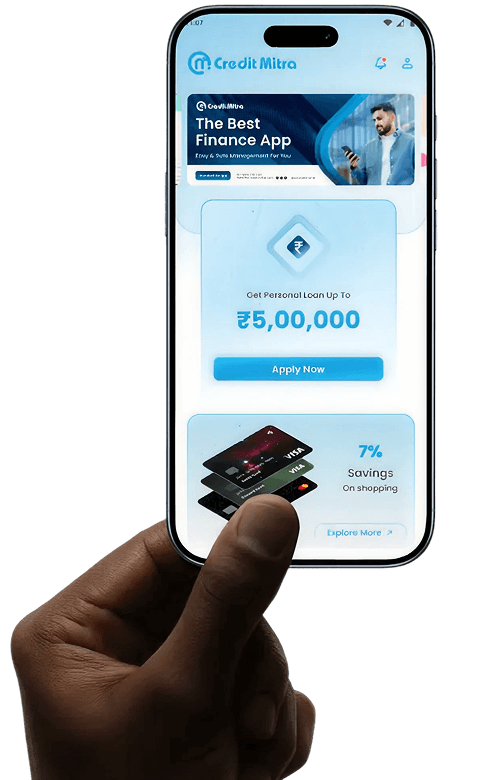
CreditMitra: Fintech Aggregator Model
Problem: 50+ fintech lenders in India, each with different rates, approval criteria, documentation.
Traditional solution: Check each individually (50+ apps, multiple applications, CIBIL damage).
CreditMitra solution: One platform, soft inquiry, see all options.
- Compare fintech lenders by rate, tenure, eligibility
- Personal loans, BNPL, invoice financing in one dashboard
- Zero CIBIL impact until final application
- Transparent cost comparison
- Apply to best option
The Aggregator model benefits the entire fintech ecosystem by enabling borrower choice and competition.
FAQ
Q: Is fintech lending safe?
A: RBI-regulated fintech (licensed NBFCs) safe. Check RBI registration before using.
Q: Why do fintech loans cost more than banks?
A: Risk. Fintech lends to weaker borrowers (lower CIBIL, gig workers). Higher rates offset higher default risk.
Q: Will fintech replace banks?
A: No. Complementary. Banks for traditional, fintech for underserved.
Q: How is my data protected?
A: RBI requires encryption, limited data sharing, security standards. Read privacy policy.
Q: Can I get a fintech loan with bad credit?
A: Yes. Fintech uses alternative data assessment, not just CIBIL.
Conclusion
Fintech lending democratizes credit access. Technology enables approval without collateral, without branches, without weeks of waiting. It reaches populations previously excluded from formal credit.
But fintech isn’t always cheaper, it’s faster and more accessible. Cost is higher, but speed and approval certainty have value.
The future isn’t fintech vs traditional banking. It’s hybrid, technology-enabled, faster, more inclusive banking ecosystem serving all segments.
About the Author

Divya Kumari
SEO Strategist & Finance WriterDivya Kumari is an SEO & Content Strategist with experience in organic traffic growth, topical authority building, and content-led SEO strategies. She specializes in creating user-focused content for finance and SaaS websites, helping brands improve visibility through structured content planning, internal linking, and search optimization techniques.
Borrow. Protect. Grow.
All in one app.
- Compare loan offers
- Buy insurance in minutes
- Invest in mutual funds
- Check credit score free
- Track all your applications


Explore More Articles

What to Do When Your Travel Budget Falls Short

How to Finance Your Dream Vacation Responsibly
On this page
- What is Fintech Lending?
- How Fintech Lending Works (5 Steps)
- Key Technologies Behind Fintech Lending
- Types of Fintech Lending Models
- Speed: Fintech's Biggest Competitive Advantage
- Risk Assessment Without Collateral
- Who Benefits From Fintech Lending?
- RBI Regulation & Consumer Protection
- The Future of Fintech Lending
- CreditMitra: Fintech Aggregator Model
- FAQ
- Conclusion
About the Author
Divya Kumari
SEO Strategist & Finance WriterDivya Kumari is an SEO & Content Strategist with experience in organic traffic growth, topical authority building, and content-led SEO strategies. She specializes in creating user-focused content for finance and SaaS websites, helping brands improve visibility through structured content planning, internal linking, and search optimization techniques.
Borrow. Protect. Grow.
All in one app.
- Compare loan offers
- Buy insurance in minutes
- Invest in mutual funds
- Check credit score free
- Track all your applications