Delinquency: Meaning, Causes, Impact & How to Avoid It
Delinquency: Meaning, Causes, Impact & How to Avoid It
Timely repayment is one of the most important responsibilities of a borrower. Whether it's a personal loan, home loan, business loan, or credit card bill, making payments on time helps maintain a healthy financial profile. When payments are missed or delayed beyond the due date, the account may become delinquent.
Delinquency is a common term used by banks, lenders, and credit bureaus to describe overdue accounts. Understanding how delinquency works can help borrowers avoid penalties, protect their credit scores, and maintain good financial health.
In this guide, you'll learn what delinquency means, how it affects loans and credit cards, its impact on credit scores, and ways to prevent it.
What Is Delinquency?
Delinquency refers to the failure to make a scheduled payment by its due date.
In banking and lending, an account becomes delinquent when a borrower misses a required payment such as an EMI, loan installment, or credit card bill.
Delinquency in Simple Words
If you do not pay a loan EMI or credit card bill on time, your account may be marked as delinquent until the payment is made.
Example
Suppose your loan EMI is due on the 5th of every month. If the payment is not made by the due date, the account may be reported as overdue or delinquent.
What Is Delinquency in Banking?
In banking, delinquency is used to track borrowers who have not met their repayment obligations on time.
Common Delinquent Accounts
- Personal loans
- Home loans
- Vehicle loans
- Education loans
- Credit cards
- Business loans
Banks monitor delinquency because missed payments can increase the risk of financial losses.
How Does Delinquency Happen?
Several situations can lead to delinquency.
Financial Difficulties
Loss of income or unexpected expenses can affect repayment ability.
Missed Due Dates
Borrowers may forget payment dates or fail to maintain sufficient account balances.
Poor Financial Planning
Excessive borrowing or inadequate budgeting can create repayment challenges.
Technical Issues
Failed auto-debit instructions or banking errors may occasionally result in missed payments.
Types of Delinquency
Delinquency can occur across different financial products.
Loan Delinquency
Occurs when a borrower misses a scheduled EMI or installment.
Credit Card Delinquency
Happens when the minimum amount due or total outstanding amount is not paid by the due date.
Mortgage Delinquency
Refers to overdue payments on housing loans.
Business Loan Delinquency
Occurs when businesses fail to make loan repayments on time.
Delinquency vs Default
Many borrowers confuse delinquency with default.
| Feature | Delinquency | Default |
|---|---|---|
| Meaning | Late or missed payment | Prolonged non-payment |
| Stage | Early repayment issue | Serious repayment failure |
| Resolution | Often resolved through payment | May require recovery actions |
| Credit Impact | Negative | More severe negative impact |
Key Difference
Delinquency is generally the initial stage of missed payments, whereas default usually occurs after a longer period of continued non-payment.
How Delinquency Affects Credit Score
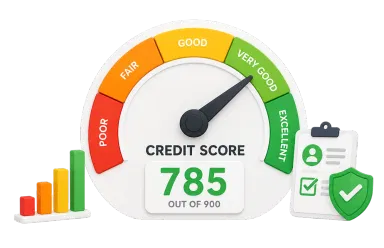
Payment history is an important factor in credit score calculations.
Negative Credit Impact
Repeated missed payments may lower credit scores.
Reduced Creditworthiness
Lenders may view delinquent borrowers as higher-risk applicants.
Difficulty Obtaining New Credit
Future loan and credit card approvals may become more challenging.
Higher Borrowing Costs
Borrowers with repayment issues may face stricter lending conditions.
Consequences of Delinquent Accounts
Late Payment Charges
Banks may apply penalties for missed payments.
Additional Interest
Overdue balances can attract extra interest costs.
Collection Efforts
Lenders may contact borrowers regarding overdue amounts.
Credit Report Impact
Delinquent accounts may be reflected in credit records.
Reduced Financial Flexibility
Future borrowing options may become limited.
How to Avoid Delinquency
Set Payment Reminders
Calendar alerts can help prevent missed due dates.
Use Auto-Debit Facilities
Automatic payments reduce the risk of forgetting EMIs.
Maintain Adequate Account Balance
Ensure sufficient funds are available before payment dates.
Create a Budget
Track expenses and allocate funds for debt repayment.
Avoid Excessive Borrowing
Borrow only what you can comfortably repay.
Communicate with Lenders
If facing financial difficulties, contact the lender early to discuss possible solutions.
Signs That an Account May Become Delinquent
Watch for these warning signs:
- Frequently paying bills late
- Missing minimum credit card payments
- Using multiple loans to repay existing debt
- Constantly exceeding monthly budgets
- Receiving overdue payment reminders
Recognizing these signs early can help prevent more serious financial problems.
Why Lenders Monitor Delinquency
Banks and financial institutions use delinquency data to:
- Assess repayment behavior
- Measure portfolio risk
- Predict future defaults
- Determine lending decisions
- Set credit limits and loan terms
Good repayment history generally improves borrowing opportunities.
Conclusion
Delinquency is a financial term used to describe missed or overdue loan and credit payments. While a single delayed payment may seem minor, repeated delinquency can affect credit scores, increase borrowing costs, and reduce future access to credit.
By understanding the causes of delinquency and adopting disciplined repayment habits, borrowers can maintain healthy credit profiles, avoid penalties, and strengthen their long-term financial well-being.



Looking for a Personal Loan? Compare, Apply & Track in One App
Download AppExplore Other Financial Terms
Hypothecation
Understand hypothecation, its role in vehicle loans, how to check hypothecation status, and remove hypothecation from RC.
NEFT
Understand NEFT, its full form, transfer timings, transaction process, limits, and how NEFT differs from other fund transfer methods.
Passbook
Understand what a passbook is, its purpose, how it records transactions, and how to access EPF, PF, UAN, and member passbooks online.
Personal Loans, Insurance, Credit Cards & More
Explore financial products including personal loans, mutual funds, insurance plans, credit cards, and free credit score services.
Instant Personal Loan
Understand delinquency meaning in loans and health insurance with simple examples and repayment explanations.

Insurance
Explore insurance plans that help protect you and your family from unexpected financial risks.

Mutual Funds
Start investing in mutual funds to build long term wealth and work towards your financial goals.

Credit Score
Check and monitor your credit score to improve loan eligibility and maintain healthy credit habits.
Credit Card
Understand delinquency meaning in credit cards and banking with simple examples and repayment explanations.
Personal Loan EMI Calculator
Plan your repayments and calculate your equated monthly installments quickly using our interactive calculator.
Personal Loan EMI Calculator
EMI Breakdown
Frequently Asked Questions
Common queries and answers related to Delinquency