Cheque Bounce: Meaning, Charges, Case Process & Legal Rules
Cheques are still commonly used in India for:
- Loan repayments
- Business transactions
- Rent payments
- Security deposits
But sometimes banks reject a check instead of processing it. This is called cheque bounce or cheque dishonour.
Cheque bounce can lead to:
- Bank penalties
- Financial disputes
- Legal notices
- Court cases under Section 138
Understanding cheque bounce rules can help users avoid legal and banking problems.
What Is Cheque Bounce?
Cheque bounce happens when a bank refuses to process a cheque submitted for payment.
This usually happens because:
- The bank account has insufficient balance
- Signature does not match
- Cheque details are incorrect
- Account is closed
When this happens, the bank returns the cheque unpaid along with a “cheque return memo” mentioning the reason.
Cheque bounce is also called dishonour of cheque.
Reasons for Cheque Bounce
There are multiple reasons why a cheque may bounce.
1. Insufficient Funds
This is the most common reason.
If the account balance is lower than the cheque amount, the bank may reject the cheque.
2. Signature Mismatch
If the signature on the cheque differs from the bank’s records, the cheque may bounce.
3. Overwriting or Damage
Corrections, overwriting, or damaged cheques may lead to rejection.
4. Expired Cheque
Most cheques are valid for 3 months from the issue date.
Expired cheques are not processed.
5. Closed Account
If the account is closed before cheque clearance, the cheque may bounce.
6. Incorrect Details
Wrong date, amount mismatch, or missing information can also result in cheque dishonour.
What Is Section 138 in Cheque Bounce Case?
Cheque bounce cases in India are mainly governed under Section 138 of the Negotiable Instruments Act, 1881.
Under this law:
- If a cheque issued for repayment of debt or liability bounces,
- and the issuer fails to make payment after receiving legal notice,
- legal action may be taken.
Section 138 generally applies when:
- Cheque was issued legally
- Payment obligation exists
- Dishonour occurs due to insufficient funds or related reasons
The law aims to maintain trust in cheque-based transactions.
Cheque Bounce Charges
Cheque bounce can involve different types of charges.
Bank Charges
Banks may charge penalties for:
- Dishonoured cheque
- ECS return
- Low balance
Banks like State Bank of India and private banks may have different cheque return fee structures.
Legal Costs
If the dispute reaches court:
- Lawyer fees
- Court expenses
- Settlement costs
may also arise.
Additional Penalties
In some business transactions, contracts may include separate cheque bounce penalties.
Always check:
- Loan agreement
- Rental agreement
- Business contract
before issuing post-dated cheques.
How Does a Cheque Bounce Case Work?
The legal process usually follows several steps.
Step 1: Cheque Gets Dishonoured
The bank returns the cheque with a dishonour memo.
Step 2: Legal Notice Is Sent
The cheque receiver may send a legal notice demanding payment.
Under Section 138:
- Notice is generally sent within 30 days of dishonour information.
Step 3: 15-Day Payment Opportunity
After receiving notice, the issuer usually gets 15 days to make payment.
If payment is made within this period, the matter may end.
Legal experts on Reddit also commonly advise users not to ignore the 15-day notice period.
Step 4: Court Complaint
If payment is not made, the complainant may file a cheque bounce case in court.
Step 5: Court Proceedings
The court examines:
- Cheque details
- Bank memo
- Legal notice
- Payment liability
Cases may end through:
- Settlement
- Compensation
- Court judgement
Latest Supreme Court Judgement on Cheque Bounce Case
Recent observations by the Supreme Court of India have focused on procedural accuracy and faster dispute resolution.
One important observation stated that the legal notice must mention the exact cheque amount correctly. Even small mismatches or typographical mistakes may weaken the case.
The Supreme Court has also encouraged:
- Faster settlement
- Digital summons
- Online payment systems
- Efficient disposal of pending cheque bounce cases
Courts have repeatedly emphasized that cheque dishonour laws exist to maintain financial discipline and trust in cheque transactions.
How to Escape from Cheque Bounce Case Legally
Users often search for this term during financial disputes.
Legally, the safest approach is not to “escape” the case, but to handle it properly and respond on time.
1. Respond to Legal Notice
Ignoring legal notice may worsen the situation.
A reply may help establish your defence later.
2. Settle the Payment
Many cheque bounce matters are resolved through mutual settlement.
The Supreme Court has also observed that compromise between parties can help avoid prolonged punishment in certain situations.
3. Show Genuine Defence
Valid defences may include:
- No legal liability existed
- Cheque was misused
- Signature forgery
- Payment already completed
Courts examine evidence carefully before deciding.
4. Attend Court Hearings
Ignoring summons may lead to stricter legal action.
Important Note
Always consult a qualified lawyer for case-specific advice.
Punishment for Cheque Bounce
Under Section 138, punishment may include:
- Fine
- Compensation
- Imprisonment up to 2 years
- Or both
The actual outcome depends on:
- Case facts
- Settlement
- Court decision
- Payment behaviour
Example of Cheque Bounce Case
Rahul gives a cheque of ₹2 lakh to repay a personal loan.
When the lender deposits the cheque, it bounces because Rahul’s account has insufficient balance.
The lender sends legal notice demanding payment.
If Rahul pays within the notice period, the matter may settle without further litigation.
If not, a Section 138 case may be filed.
Tips to Avoid Cheque Bounce
- Maintain sufficient bank balance
- Verify cheque details carefully
- Avoid issuing blank signed cheques
- Monitor post-dated cheque payments
- Inform bank about signature changes
- Keep track of cheque validity period
These simple steps can reduce legal and financial risks.
# Final Thoughts
Cheque bounce is not just a banking issue. It can also become a legal matter under Section 138.
Before issuing a cheque:
- Ensure sufficient balance
- Verify cheque details
- Understand payment obligations
- Avoid signing blank cheques
If a cheque bounce dispute arises:
- Respond quickly
- Keep documents safely
- Explore settlement options
- Seek proper legal guidance
Understanding cheque bounce rules can help individuals and businesses avoid unnecessary financial and legal complications.



Looking for a Personal Loan? Compare, Apply & Track in One App
Download AppExplore Other Financial Terms
Cash Withdrawal Limit
The maximum amount of cash that can be withdrawn from an account within a specified period. Limits vary by bank and account type.
Average Monthly Balance
The average balance maintained in an account throughout a month. Banks often use it to determine account compliance and charges.
NACH
National Automated Clearing House facilitates bulk electronic transactions such as EMIs, salaries, and utility bill payments. It streamlines recurring payments across banks.
Personal Loans, Insurance, Credit Cards & More
Explore financial products including personal loans, mutual funds, insurance plans, credit cards, and free credit score services.
Instant Personal Loan
Understand cheque bounce meaning in loans and health insurance with simple examples and repayment explanations.

Insurance
Explore insurance plans that help protect you and your family from unexpected financial risks.

Mutual Funds
Start investing in mutual funds to build long term wealth and work towards your financial goals.
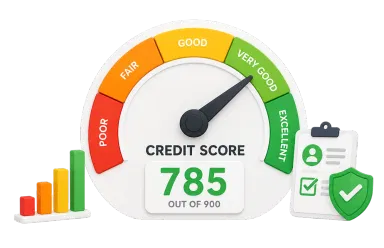
Credit Score
Check and monitor your credit score to improve loan eligibility and maintain healthy credit habits.
Credit Card
Understand cheque bounce meaning in credit cards and banking with simple examples and repayment explanations.
Personal Loan EMI Calculator
Plan your repayments and calculate your equated monthly installments quickly using our interactive calculator.
Personal Loan EMI Calculator
EMI Breakdown
Frequently Asked Questions
Common queries and answers related to Cheque Bounce