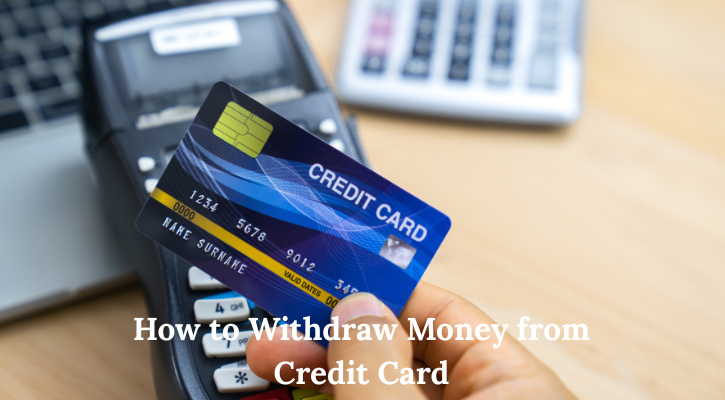
How to Withdraw Money from Credit Card: Complete Guide
Credit cards can be used to withdraw cash instantly through ATMs during emergencies, but these transactions often come with high interest rates and withdrawal charges. This guide explains how to withdraw money from a credit card, applicable fees, withdrawal limits, and important things to consider before using the cash advance facility.

Your car needs urgent repair. It costs ₹10,000. You have no cash, no savings, and your bank account is empty. You have a credit card with a ₹1 lakh limit. And, You think: “I’ll just withdraw cash from my credit card.”
Two days later, you’ve spent ₹600+ in charges and interest on that ₹10,000 withdrawal. You’re shocked.
This is the reality of credit card cash withdrawal, it’s expensive, costs compound quickly, and most borrowers don’t understand the true cost until it’s too late.
Here’s the complete breakdown of how credit card cash withdrawal works, what it actually costs, and better alternatives you should consider first.
What Is Credit Card Cash Withdrawal?
Credit card cash withdrawal (called “cash advance”) is taking physical cash from an ATM using your credit card instead of your debit card.
It sounds simple. It feels convenient. But it’s one of the most expensive ways to borrow money.
Key differences from regular credit card purchases:
| Aspect | Cash Advance | Regular Purchase |
| Charges | 2.5-3% fee upfront | 0% fee |
| Interest | Accrues from day one | Grace period (45 days) |
| Rate | 36-42% p.a. | 15-20% p.a. (if unpaid) |
| Amount | Limited to 20-40% of credit limit | Full credit limit |
| Rewards | No cashback or points | Cashback and reward points |
When you withdraw ₹10,000 as a cash advance, you’re not paying for purchases, you’re borrowing against your credit limit at the highest interest rates your card offers.
How to Withdraw Cash from Credit Card: Step-by-Step Process
Step 1: Locate an ATM Find any ATM that accepts credit card withdrawals. Most ATMs display logos indicating which cards they accept. Your bank’s ATM typically always accepts your card.
Step 2: Insert Your Credit Card Place your credit card in the card slot, exactly as you would with a debit card. Select your preferred language.
Step 3: Select “Cash Advance” or “Cash Withdrawal” The ATM menu will show options. Look for “Cash Advance,” “Cash Withdrawal,” or similar option. This is different from your regular debit card withdrawal.
Step 4: Enter the Amount Enter the amount you need, within your available cash advance limit. The ATM will display your maximum withdrawable amount (typically 20-40% of your credit limit).
Step 5: Confirm Your PIN and Enter OTP (if required) Enter your credit card PIN. Some banks require OTP verification via SMS or app. Complete any additional authentication.
Step 6: Collect Cash and Receipt The ATM will dispense your cash. Collect it along with the receipt showing the amount and transaction reference. Save the receipt, you’ll need it to track charges.
Time required: 2-3 minutes total.
Read More: Credit Card Loan vs Personal Loan in India
Credit Card Cash Withdrawal Charges: The Complete Breakdown
Here’s where the costs become shocking. A single ₹10,000 withdrawal can cost ₹600+ over 30 days.
1. Cash Advance Fee
This is charged immediately when you withdraw.
Amount: 2.5% to 3% of withdrawn amount, with a minimum fee of ₹250-₹500
Examples:
- HDFC Bank: 2.5% or ₹500, whichever is higher
- ICICI Bank: 3% or ₹250, whichever is higher
- Axis Bank: 2.75% or ₹300, whichever is higher
Real calculation:
- ₹10,000 withdrawal at HDFC: ₹250 fee (2.5% would be ₹250, but min ₹500, so ₹250)
- ₹50,000 withdrawal at HDFC: ₹1,250 fee (2.5% = ₹1,250)
- ₹100,000 withdrawal at ICICI: ₹3,000 fee (3% = ₹3,000)
2. Interest Charges
Unlike regular purchases, interest starts accruing immediately, on day one, with no grace period.
Rate: 36-42% per annum
Daily calculation: Your daily interest = (Amount × Annual Rate) ÷ 365
Example for ₹10,000 at 40% p.a.:
- Daily interest: (₹10,000 × 40%) ÷ 365 = ₹11 per day
- 7-day interest: ₹77
- 30-day interest: ₹330
- 60-day interest: ₹660
3. ATM Interchange Fee
Every ATM withdrawal from a non-home-bank ATM costs a small fee.
Amount: ₹17 per transaction (RBI mandated)
Real Cost Examples: What ₹10,000 Actually Costs
Scenario: ₹10,000 withdrawal at HDFC (2.5% fee, 40% p.a. interest)
| Repayment Period | Fee | Interest | ATM Charge | Total Cost |
| Day 1 only | ₹250 | ₹0 | ₹17 | ₹267 (2.67%) |
| 7 days | ₹250 | ₹77 | ₹17 | ₹344 (3.44%) |
| 30 days | ₹250 | ₹330 | ₹17 | ₹597 (5.97%) |
| 60 days | ₹250 | ₹660 | ₹17 | ₹927 (9.27%) |
The reality: A ₹10,000 emergency that takes 30 days to repay costs ₹597 in total charges. You’re paying 6% just for that one withdrawal.
Cash Advance vs Regular Purchase: Why It’s So Different
Regular Purchase Example:
- Spend ₹10,000 on a flight
- Pay ₹0 fee (no charge)
- Get 45-day grace period (pay by day 45, no interest)
- Earn ₹100-200 reward points (cashback)
- Total cost: ₹0
Cash Advance Example:
- Withdraw ₹10,000 at ATM
- Pay ₹250 fee immediately
- Interest starts day one: ₹11/day
- Zero reward points
- After 30 days: ₹597 total cost
This is why credit card companies promote cash advances, they’re extremely profitable for banks and expensive for borrowers.
Ways to Minimize Cash Withdrawal Charges
1. Withdraw Only What You Absolutely Need
- Don’t withdraw ₹20K “just in case”
- Calculate exact amount needed
- Smaller withdrawal = smaller fee
2. Repay Within 24-48 Hours
- Interest compounds daily
- Repaying in 2 days costs ₹22 interest
- Delaying 30 days costs ₹330 interest
- Make it a priority to repay immediately
3. Know Your Bank’s Exact Rates
- Check your card’s terms (different card types = different rates)
- HDFC, ICICI, Axis all differ
- Premium cards sometimes offer lower rates
- Call your bank to confirm exact rates
4. Avoid Using Non-Home ATMs
- Your home bank ATM: free
- Other bank ATM: ₹17 charge per transaction
- Withdraw from your bank’s ATM only
5. Avoid Frequent Withdrawals
- Each withdrawal = new fee
- Withdrawing ₹5K twice = ₹500 in fees
- Withdrawing ₹10K once = ₹250 in fee
- Consolidate withdrawals
Cheaper Alternatives: Personal Loan Is 3-4x Better
Before using credit card cash withdrawal, consider personal loans. They’re dramatically cheaper.
Emergency: ₹10,000 Needed
Option 1: Credit Card Cash Advance
- Charge: ₹250 fee
- Interest (30 days): ₹330
- ATM charge: ₹17
- Total cost: ₹597
- Effective rate: 5.97%
Option 2: Personal Loan (CreditMitra)
- Amount: ₹10,000
- Rate: 12% p.a.
- Duration: 30 days
- Interest: ₹100
- Total cost: ₹100
- Savings vs cash advance: ₹497 (83% cheaper)
For ₹50,000:
Credit card cash advance:
- Fee: ₹1,250
- Interest (30 days): ₹1,650
- Total: ₹2,900
Personal loan:
- Interest (30 days): ₹500
- Total: ₹500
- Savings: ₹2,400 (82% cheaper)
Personal loan takes 2 hours for approval vs instant cash. But the savings are enormous.
When to Use Credit Card Cash Withdrawal (If At All)
Cash withdrawal from credit card should be truly your last resort:
Use it only if:
- It’s a genuine emergency
- The amount is small (<₹5,000)
- You can repay within 24-48 hours
- No other options available (no personal loan available, no savings, no family help)
Don’t use it for:
- Regular shopping that you’re missing cash for
- Trips or vacations
- EMI payments (personal loan is cheaper)
- Any planned expense
Personal Loan vs Credit Card Cash: Which to Choose?
Immediate need (<1 hour)? → Credit card cash advance (instant, but expensive)
Can I wait 2 hours? → Personal loan via CreditMitra (3-4x cheaper, worth the wait)
Can I wait 24 hours? → Personal loan from bank (best rates, lowest interest)
True emergency, no time to think? → Personal loan is still usually cheaper even within 2 hours, vs cash advance’s multi-day cost accumulation
FAQ: Common Questions About Credit Card Cash Withdrawal
Q: Is there any way to withdraw cash without paying the fee?
A: No. The 2.5-3% fee is non-negotiable. It’s charged immediately and non-waivable by any bank. Your only option: use a personal loan instead.
Q: What’s the cash advance limit on my credit card?
A: Typically 20-40% of your credit limit. If your credit limit is ₹1 lakh, cash advance might be ₹20K-₹40K. Check your bank’s app or call customer service to confirm your exact limit.
Q: Can I withdraw my entire credit limit?
A: No. The cash advance limit is separate and lower. You cannot withdraw your full credit limit as cash.
Q: What happens if I don’t repay the cash advance?
A: The interest continues accruing monthly (36-42% p.a.). You get charged monthly bills. Late payment penalties apply. Your CIBIL score drops significantly.
Q: Can I pay off cash advance early without penalty?
A: Yes. Paying early is encouraged and saves you interest. No prepayment charges apply to credit cards (unlike some loans).
Q: Is credit card cash withdrawal reported to CIBIL?
A: Yes. The cash advance and subsequent repayment are reported to credit bureaus. Timely repayment helps your credit score.
Conclusion: Make an Informed Decision
Credit card cash withdrawal is convenient but extremely expensive. Before using it:
- Understand the true cost: ₹10,000 costs ₹600+ over 30 days
- Consider personal loan: 3-4x cheaper, 2-hour approval
- Repay immediately if you use it: Interest compounds daily
- Reserve for true emergencies: Not for convenience
Your financial health is more important than convenience. A 2-hour wait for personal loan approval saves ₹400-2,000 compared to credit card cash withdrawal.
Choose wisely.
About the Author

Divya Kumari
SEO Strategist & Finance WriterDivya Kumari is an SEO & Content Strategist with experience in organic traffic growth, topical authority building, and content-led SEO strategies. She specializes in creating user-focused content for finance and SaaS websites, helping brands improve visibility through structured content planning, internal linking, and search optimization techniques.
Borrow. Protect. Grow.
All in one app.
- Compare loan offers
- Buy insurance in minutes
- Invest in mutual funds
- Check credit score free
- Track all your applications


Explore More Articles
7 Days Loan App: Real Cost, Risks and Safer Options

What to Do When Your Travel Budget Falls Short
On this page
- What Is Credit Card Cash Withdrawal?
- How to Withdraw Cash from Credit Card: Step-by-Step Process
- Credit Card Cash Withdrawal Charges: The Complete Breakdown
- Real Cost Examples: What ₹10,000 Actually Costs
- Cash Advance vs Regular Purchase: Why It's So Different
- Ways to Minimize Cash Withdrawal Charges
- Cheaper Alternatives: Personal Loan Is 3-4x Better
- When to Use Credit Card Cash Withdrawal (If At All)
- Personal Loan vs Credit Card Cash: Which to Choose?
- FAQ: Common Questions About Credit Card Cash Withdrawal
- Conclusion: Make an Informed Decision
About the Author
Divya Kumari
SEO Strategist & Finance WriterDivya Kumari is an SEO & Content Strategist with experience in organic traffic growth, topical authority building, and content-led SEO strategies. She specializes in creating user-focused content for finance and SaaS websites, helping brands improve visibility through structured content planning, internal linking, and search optimization techniques.
Borrow. Protect. Grow.
All in one app.
- Compare loan offers
- Buy insurance in minutes
- Invest in mutual funds
- Check credit score free
- Track all your applications