How to Finance Your Dream Vacation Responsibly
Planning your dream vacation? Learn how to finance a vacation through savings, budgeting and personal loans. This guide explains travel costs, EMI planning, interest considerations and practical ways to fund your holiday without putting unnecessary strain on your finances.


You have been planning it for months: the European itinerary, the Maldives resort, or maybe just a long overdue road trip across the hills. But when the actual numbers hit your spreadsheet, the excitement can quickly give way to anxiety. The good news? Millions of Indians finance their vacations every year without derailing their financial health. The secret is not just finding the money; it is finding the *right* money, in the right amount, at a cost your salary can comfortably carry.
This guide walks you through everything you need to know about responsible vacation financing in India, from building a realistic travel budget to understanding when a personal loan is the smartest choice you can make.
First, Know What Your Vacation Will Actually Cost
Before you tap savings, swipe a card, or apply for a loan, build a realistic travel budget. Most people underestimate their trip costs by 20–30% because they focus only on flights and hotels.
Build a Realistic Travel Budget
A complete vacation budget includes:
- Flights (including baggage fees and seat upgrades)
- Accommodation (taxes are often not shown upfront)
- Visa fees (international travel can cost Rs 5,000–Rs 15,000 just in visa charges)
- Travel insurance (non-negotiable for international trips, typically Rs 500–Rs 2,000 per person)
- Forex card or cash (international transactions attract conversion charges of 2–4%)
- Local transport (cabs, trains, public transit at destination)
- Food and experiences (dining out daily adds up fast)
- Shopping buffer (gifts, souvenirs, impulse buys)
Hidden Costs Most Travellers Underestimate
Three things routinely blow travel budgets: airport transfers, tipping culture at international destinations, and "free" hotel amenities that are actually paid add-ons. Add a 15–20% buffer to whatever number you first arrive at. If a trip feels like it costs Rs 80,000, budget Rs 92,000–Rs 96,000.
The Three Ways Indians Finance Vacations
Once you know your trip's true cost, you have three real funding options. Here is what each one means for your finances.
Dipping into Savings, When It Makes Sense
Using dedicated travel savings is ideal when: you have been saving systematically for this trip, the withdrawal will not touch your emergency fund (which should be 3–6 months of expenses), and you are not sacrificing an important financial goal like a home down payment.
If you can fund your entire vacation from savings without stress, do it. Zero interest is always the cheapest loan.
Credit Cards, The Hidden Interest Trap
Credit cards are excellent for booking travel since they offer reward points and purchase protection. The problem begins when you carry a balance. Credit card revolving interest in India runs between 36% and 42% per annum, some of the most expensive borrowing available to consumers.
Use a credit card only if you can pay the full statement balance before the due date. For any amount you cannot clear within a billing cycle, a credit card becomes a debt trap dressed up as convenience.
Personal Loans, Structured, Predictable Repayment
A personal loan for travel gives you a fixed amount upfront, a fixed EMI, and a defined end date. You know exactly what you owe and when you will be debt-free. Interest rates for personal loans in India typically range from 12% to 24% per annum, significantly lower than a credit card balance, and you repay in equal monthly instalments over a tenure you choose.
For trips costing Rs 1 lakh or more where you need 12–36 months to repay, a personal loan is almost always cheaper than revolving credit card debt.
Is a Personal Loan Right for Your Vacation?
A personal loan is a tool, not a magic solution. It works well in the right hands and for the right trip.
When a Personal Loan Is a Smart Choice
- The trip cost is significant (Rs 75,000 and above)
- You have a stable monthly income and a CIBIL score above 700
- Your total EMI obligations (including the new loan) will not exceed 40–45% of your take-home salary
- You have compared the total interest outgo to the cost of delaying the trip by 6–12 months and decided the trip is worth it now
When You Should Stick to Savings
- Your emergency fund is not fully built
- You are already servicing two or more EMIs
- The trip is a spontaneous decision and you have not thought through repayment
- You are planning to use the loan for a trip that could be done cheaper by planning ahead
The EMI Test, Can Your Salary Handle It?
Before applying for any loan, run this test. Take your net monthly salary and multiply by 0.40. This is the maximum total EMI you should carry at any given time. Subtract your existing EMIs. The remainder is the maximum EMI you can safely afford for a travel loan.
Example: Net salary = Rs 60,000. Maximum safe total EMI = Rs 24,000. Existing EMIs = Rs 10,000. Available EMI headroom = Rs 14,000. At this level, a Rs 2 lakh personal loan over 18 months fits comfortably.
How to Apply for a Travel Loan with CreditMitra
CreditMitra is a direct lender offering personal loans with a completely digital application process, no branch visits, no agent involvement, no middlemen.
Eligibility Basics
- Age: 21 to 58 years
- Employment: Salaried employees with at least 6 months at current job; self-employed with 2+ years of business continuity
- Monthly income: Rs 20,000 and above (net take-home)
- CIBIL score: 700 and above
Documents You Will Need
- PAN card
- Aadhaar card
- Latest 3 salary slips
- Bank statements for the last 3 months
- Employment ID or offer letter (some cases)
Loan Amount, Tenure, and Interest Rate Overview
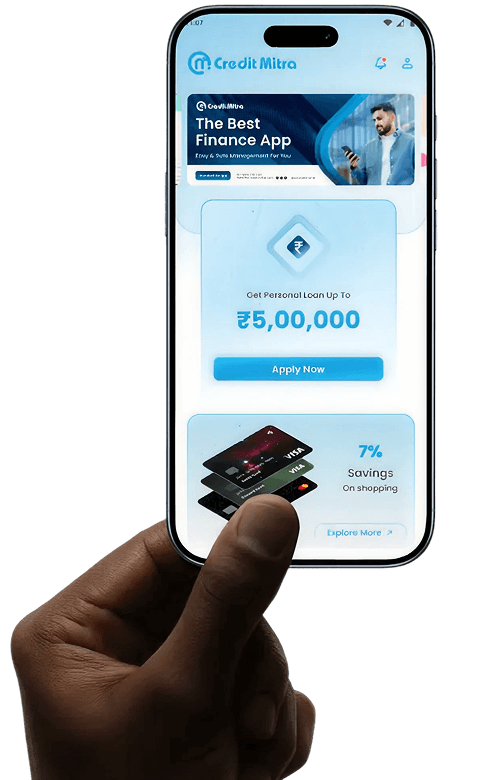
CreditMitra offers personal loans from Rs 50,000 up to Rs 5 lakh for most salaried applicants, with tenures ranging from 12 to 36 months. The interest rate is determined by your income, credit score, and employment profile. Once your application is submitted and documents verified, funds are typically credited to your bank account within 24 hours.
5 Principles for Responsible Vacation Financing
Whether you use savings, a loan, or a mix of both, these five principles will keep your finances healthy long after you return from your trip.
1. Borrow Only What You Need
Calculate your trip cost carefully and borrow that exact amount, not more because the lender offered more. Every additional rupee borrowed means additional interest outgo.
2. Keep Your EMI Under 20% of Monthly Income
A travel loan EMI of 20% or less of your monthly income leaves enough room for savings, existing obligations, and unexpected expenses. This is a comfort threshold, not a hard rule, but a useful guard.
3. Factor in Pre-Trip Costs
Visa fees, travel insurance, and forex conversion are pre-trip expenses often paid weeks before departure. Include them in your loan amount rather than scrambling for them separately at the last minute.
4. Never Skip Travel Insurance
Especially for international travel, cutting travel insurance to save Rs 1,000–Rs 2,000 is a false economy. A medical emergency abroad can cost 10–100x more than the premium. Many personal loan applicants overlook this, don't be one of them.
5. Consider Part-Prepayment After Returning
If you receive a bonus, tax refund, or any lump sum after your trip, use part of it to prepay your loan. Even a single extra payment reduces your outstanding principal and your total interest cost. Most personal loans allow part-prepayment after a short lock-in period.
Frequently Asked Questions
Can I get a personal loan just for a vacation?
Yes. Personal loans in India are unsecured loans that can be used for any legal purpose. Travel is one of the most common end-uses. CreditMitra does not restrict how you spend your personal loan amount.
What is the minimum salary required for a travel loan?
Most lenders, including CreditMitra, require a minimum monthly net income of Rs 20,000–Rs 25,000 for salaried applicants. Self-employed individuals need to show stable income through ITR documentation.
How much personal loan can I get for a vacation?
Loan amounts depend on your income, credit score, and repayment history. CreditMitra offers personal loans from Rs 50,000 to Rs 5 lakh for eligible applicants. Use an EMI calculator to figure out what tenure makes the repayment most comfortable for your budget.
Is it better to use a credit card or personal loan for international travel?
For small amounts you can pay off within 30 days, credit card. For anything above Rs 1 lakh that you need 12+ months to repay, a personal loan at 12–24% p.a. is significantly cheaper than the 36–42% p.a. charged on revolving credit card balances.
Does a vacation loan hurt my credit score?
Applying for a loan creates a hard inquiry, which may temporarily lower your score by a few points. However, consistent, on-time repayment of your loan EMIs builds a strong repayment history, which improves your score over time.
How quickly can I get a travel loan from CreditMitra?
Once your documents are submitted and verified, CreditMitra typically disburses funds within 24 hours. The application is fully digital and takes under 15 minutes to complete.
Your Dream Vacation Is Closer Than You Think
A vacation is not a luxury reserved for the wealthy, it is a life goal that, with the right financial planning, is accessible to most working Indians. The key is approaching it like any other financial decision: know the cost, honestly assess your funding options, borrow only what you can repay comfortably, and protect yourself with travel insurance.
When a personal loan fits your situation, CreditMitra offers a fast, transparent, and fully digital borrowing experience, so you can spend less time on paperwork and more time planning what to pack.
About the Author

Divya Kumari
SEO Strategist & Finance WriterDivya Kumari is an SEO and Content Strategist with experience in organic traffic growth, topical authority building, and content-led SEO strategies. She specializes in creating user-focused content for finance and SaaS websites, helping brands improve visibility through structured content planning, internal linking, and search optimization techniques.
Borrow. Protect. Grow.
All in one app.
- Compare loan offers
- Buy insurance in minutes
- Invest in mutual funds
- Check credit score free
- Track all your applications


Explore More Articles

What to Do When Your Travel Budget Falls Short

Personal Loan for Wedding Expenses: What You Need to Know
On this page
About the Author
Divya Kumari
SEO Strategist & Finance WriterDivya Kumari is an SEO and Content Strategist with experience in organic traffic growth, topical authority building, and content-led SEO strategies. She specializes in creating user-focused content for finance and SaaS websites, helping brands improve visibility through structured content planning, internal linking, and search optimization techniques.
Borrow. Protect. Grow.
All in one app.
- Compare loan offers
- Buy insurance in minutes
- Invest in mutual funds
- Check credit score free
- Track all your applications